Genome Sequencing of Phalaenopsis equestris: Unraveling Orchid Evolution and Floral Diversity
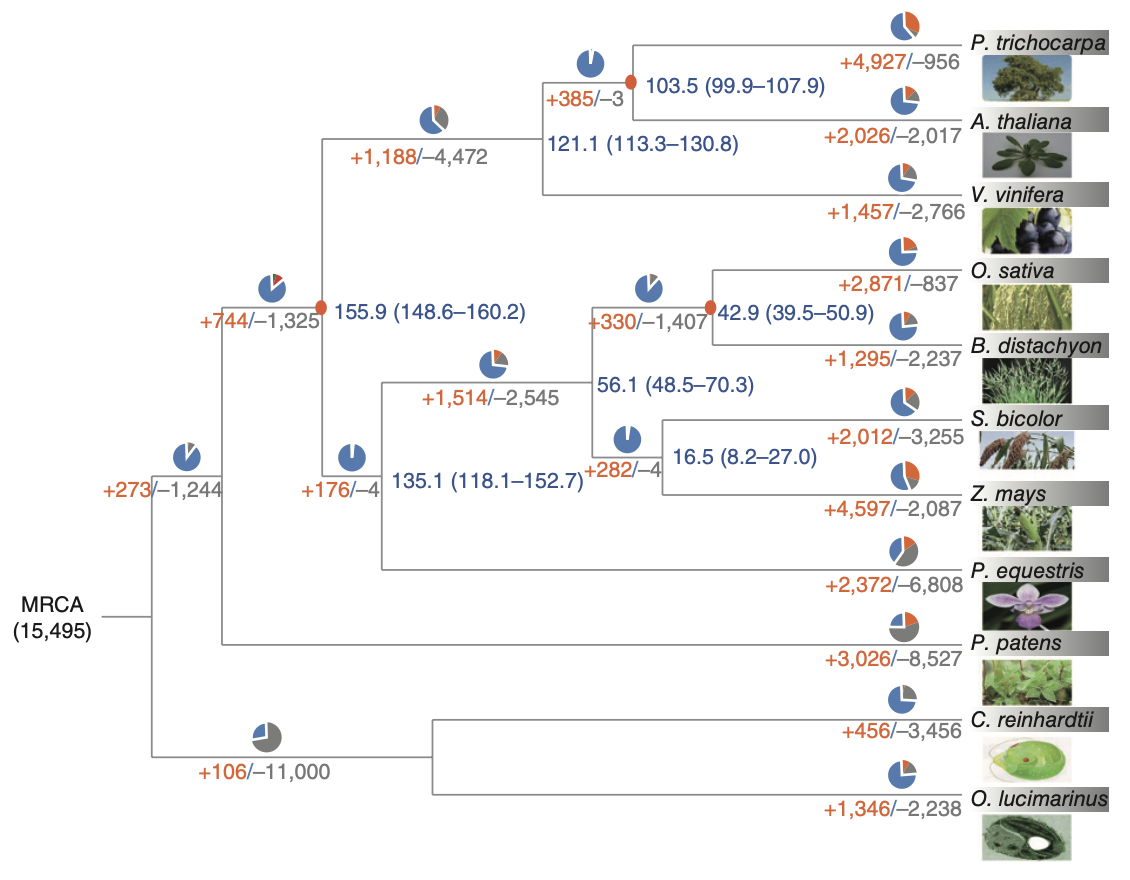
Orchids are one of the most diverse and fascinating plant families, displaying remarkable floral adaptations and ecological strategies. As an important ornamental plant, Phalaenopsis equestris has long been used in breeding due to its striking flower morphology and extended bloom longevity. In our latest study, published in Nature Genetics, we present the first genome sequence of P. equestris, providing key insights into orchid genome evolution, floral development, and adaptive mechanisms. This research marks a foundational step in exploring the molecular basis of orchid diversity, opening up new avenues for plant genomics and breeding strategies.
Key Findings
- High-Quality Genome Assembly
- We successfully assembled a 1.086 Gb genome, covering approximately 93% of the estimated genome size.
- The genome was found to contain 29,431 protein-coding genes, highlighting the genetic complexity of orchids.
- Evolutionary Insights into Orchid-Specific Adaptations
- We identified a paleopolyploidy event that occurred ~76 million years ago, predating the radiation of most orchid clades.
- Comparative genomic analysis revealed an expansion of genes related to metal ion binding, which may contribute to orchid adaptations in epiphytic environments.
- Floral Morphogenesis and MADS-Box Gene Expansions
- Key MADS-box gene families, including C/D-class, B-class AP3, and AGL6, showed notable diversification, likely shaping the unique floral structures of orchids.
- Expression profiling confirmed distinct regulatory networks involved in labellum and gynostemium formation, reinforcing orchid-specific floral innovations.
- Crassulacean Acid Metabolism (CAM) Evolution
- The study uncovered gene duplication events in carbonic anhydrase and malic enzyme families, suggesting potential links to the evolution of CAM photosynthesis in orchids.
- This represents the first genome sequencing of a CAM plant, offering a valuable genetic reference for future CAM pathway research.
Reflections
This project was led by myself, focusing on data analysis and genome interpretation. Given the extraordinary diversity of orchids, their genomes naturally reflect high levels of variation and complexity. In collaboration with the Shenzhen Orchid Center, we selected Phalaenopsis equestris, one of the most widely cultivated commercial orchid species, for genome sequencing. Previously, orchid research was largely confined to taxonomy and classification, but this genome study marks a significant shift toward molecular insights. We believe that this research paves the way for new directions in orchid genomics, offering essential resources for evolutionary studies, breeding improvements, and species conservation.
The full text of this study can be accessed online at Nature Genetics.