Genome Draft of the Legless Anguid Lizard *Ophisaurus gracilis*
The transition from lizard-like to snake-like body forms represents one of the most intriguing evolutionary transformations in reptiles. Despite growing genomic resources in reptilian research, the genetic basis underlying limb loss and trunk elongation remains largely unknown. In our latest study, published in GigaScience, we present the first genome draft of Ophisaurus gracilis, a legless lizard species, offering an excellent resource for studying the molecular mechanisms of limbless evolution.
Key Findings
- Genome Sequencing and Assembly:
- We sequenced the O. gracilis genome using Illumina HiSeq2000, generating 274.20 Gb of raw sequencing data.
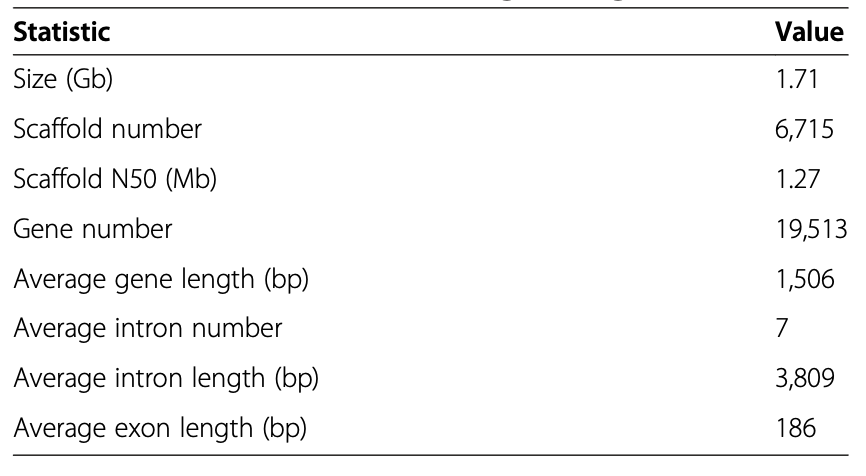
- After filtering low-quality reads, we assembled a 1.78 Gb genome with N50 scaffold size of 1.27 Mb, achieving nearly 100% genome coverage based on k-mer size estimations.
- Gene Annotation and Repeat Content:
- 19,513 protein-coding genes were identified, showing similarity to both lizards and snakes, reinforcing its unique evolutionary position.
- Repeat content accounted for approximately 49.63% of the genome, with long interspersed elements (LINEs) making up 37.65%, significantly higher than other squamate reptiles.
- Comparative Genomics and Evolutionary Insights:
- Phylogenetic comparisons confirmed that O. gracilis shares genomic features with both snakes and limbed lizards, supporting its evolutionary convergence with serpentine body forms.
- Candidate genes linked to limb loss and body elongation were identified, paving the way for further functional validation studies.
Reflections
This research is part of our broader effort to expand genomic resources for squamate reptiles, allowing scientists to investigate key genetic changes influencing body morphology. The project was conducted as a data note, primarily presenting sequencing datasets and genome assembly results to facilitate future comparative studies.
Genome sequencing of evolutionarily significant species like O. gracilis is crucial for understanding the molecular foundations of limb development and loss. While functional validation is often required for similar studies in plants, animal genomics benefits greatly from telling evolutionary stories through genomic data, helping to uncover the forces shaping vertebrate biodiversity.
The full text of this study can be accessed online at GigaScience.