Draft Genome Sequence of the Tibetan Medicinal Herb Rhodiola Crenulata
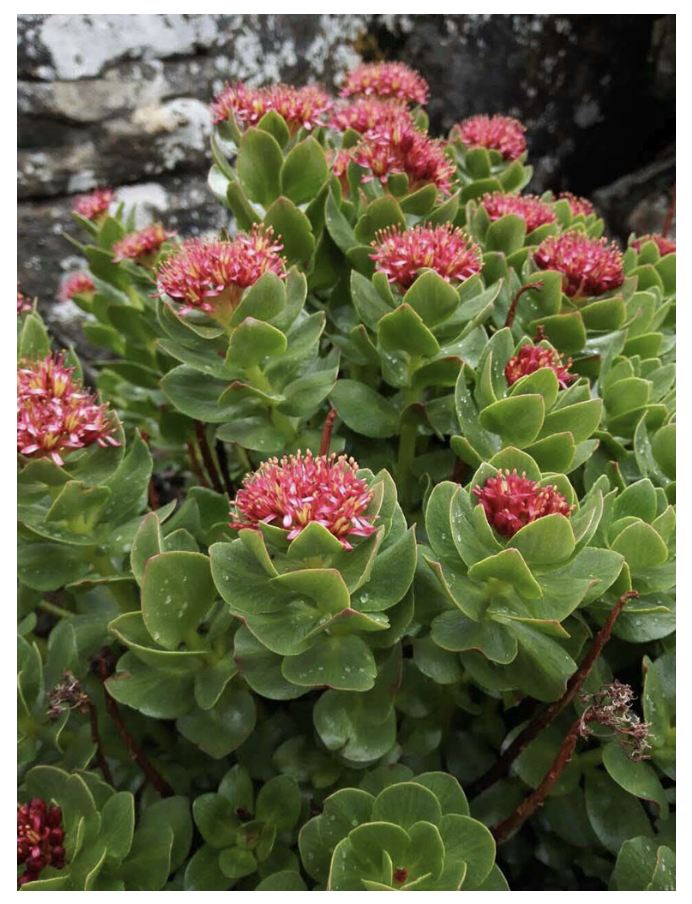
Rhodiola crenulata (R. crenulata) is a highly valued medicinal plant, particularly in traditional Chinese and Tibetan medicine. It is widely known for its pharmacological properties, including potential benefits for cardiovascular health, stress resistance, and antimicrobial activity. Despite its increasing medical and economic significance, limited genomic information has been available on the species.
In our latest study, published in GigaScience, we present the first draft genome sequence of Rhodiola crenulata, offering new insights into genetic diversity, biosynthetic pathways, and stress adaptation mechanisms. Our research aims to enhance species conservation efforts, improve classification, and uncover genomic foundations for bioactive compound synthesis.
Key Findings
- Genome Assembly and Annotation:
- The assembled genome is 344.5 Mb, accounting for 82% of the estimated genome size, with a scaffold N50 length of 144.7 kb.
- Highly heterozygous (1.12%) and repetitive (66.15%), reflecting the genomic complexity of R. crenulata.
- Identified 31,517 protein-coding genes, capturing 86.72% of expected plant genes based on BUSCO assessment.
- Transposable Elements and Repeat Content:
- 226.6 Mb of transposable elements (TEs) were detected, with 77.03% classified as long terminal repeats (LTRs).
- These elements play a key role in genomic plasticity, adaptation, and secondary metabolite biosynthesis.
- Functional Annotation and Medicinal Compound Biosynthesis:
- 79.73% of protein-coding genes were functionally annotated using SWISS-PROT, TrEMBL, and KEGG databases.
- Gene analysis suggests potential regulatory networks involved in salidroside biosynthesis, a key medicinal compound in R. crenulata.
Reflections
Saffron is an important medicinal plant, not only in China but globally. This project was led by Yuanyuan Fu, who joined BGI-Qingdao as an intern and conducted much of the essential research work. The paper was ultimately published in GigaScience as a data-focused article, marking a significant contribution to genomic studies of medicinal plants.
This study provides a foundational genomic resource for Rhodiola species, supporting further research in plant evolution, environmental adaptation, and pharmaceutical applications. As genomic technologies continue to advance, future studies will refine high-quality genome assemblies, enabling deeper genetic insights and conservation strategies.
The full text of this study can be accessed online at GigaScience.